Power quality: common problems, root causes, and proven mitigation
Modern manufacturing depends on stable, clean electrical power. As plants add Variable Frequency Drives (VFDs), automation, robotics, high-power charging, and electrified thermal processes, electrical networks can become more sensitive to disturbances. The outcome is often familiar: nuisance trips, unexplained downtime, overheating equipment, and product quality variation.
Power quality problems are among the most common causes of unexpected downtime, equipment failures, and energy losses in industrial facilities. Harmonics, voltage fluctuations, poor power factor, and unbalanced loads can reduce productivity and shorten equipment lifetime. This blog explains what power quality is, why it matters in manufacturing, the most common disturbances, their causes, and how to mitigate them. In the solutions section, you will also see where Merus Power’s technologies fit, especially Merus® A2-Active Harmonic Filter and Merus® HPQ-Hybrid Power Quality Compensator.
What is power quality?
Power quality describes how well the voltage, current, and frequency supplied to equipment match ideal conditions for reliable operation. In an ideal system, the voltage is steady at the correct level, the frequency is stable, and the current waveforms are clean and sinusoidal.
In real industrial networks, deviations happen. A power quality problem is any deviation that causes equipment to malfunction, degrade more quickly, or operate inefficiently.
Why power quality matters in manufacturing
Manufacturing combines high-power loads with precision control. That mix makes power quality a production risk, not just an electrical detail.
Common impacts include:
- Downtime and lost throughput: even brief sags can trip VFDs and robotic cells.
- Product quality defects: unstable voltage can affect processes like welding, extrusion, coating, and thermal control.
- Asset wear and failures: harmonics and imbalance raise temperatures in transformers, motors, and cables.
- Higher energy costs and constrained capacity: reactive power and harmonic currents increase losses and can consume transformer and feeder headroom.
Common power quality problems in factories and plants
Harmonics
Harmonics are waveform distortions caused by non-linear loads, drawing currents with frequencies that deviate from the nominal frequency. Typical sources: Variable Frequency Drives, rectifiers, UPS systems, welders, and many power electronic loads.
Typical symptoms and what they mean for the plant:
- Transformer and cable overheating → higher losses, hotter electrical rooms, accelerated ageing, and earlier replacement or derating.
- Nuisance tripping and protection issues → unexpected line stops, resets, and time spent troubleshooting intermittent faults.
- Motor heating, noise, and reduced efficiency → reduced motor lifetime, unplanned maintenance, and possible process instability on critical drives.
- Capacitor bank stress and failures (especially with resonance) → repeated capacitor faults, higher maintenance costs, and reduced power factor correction performance.
Overall impact: reduced reliability, higher lifecycle costs, and less headroom for adding new loads.
Voltage sags and swells
Voltage sags and swells are short-duration deviations in supply voltage, where a sag is a brief drop and a swell is a brief rise, typically lasting from milliseconds to seconds. Typical sources include motor starts, large load switching, upstream faults, and grid switching operations.
Typical symptoms and what they mean for the plant:
- VFD resets or trips → sudden line stops, production delays, and time lost on restart and fault clearing.
- Contactor dropout → equipment unexpectedly de-energizes, causing stoppages and increasing wear from repeated switching.
- Robot line interruptions and unplanned restarts → lost cycle time, potential scrap, and extra time to re-home, re-sequence, and stabilize the line.
Overall impact: frequent, short events that still translate into real downtime, quality risk in sensitive steps, and a higher operational troubleshooting burden.
Flicker
Flicker is rapid, repetitive voltage change. It can be visible in lighting and can also destabilize processes. Typical sources include welding, arc furnaces, crushers, presses, and cyclical heavy loads.
Typical symptoms and what they mean for the plant:
- Visible light flicker → a clear sign of voltage fluctuation, often indicating the electrical network is being stressed by rapidly changing loads.
- Process instability when controls react to voltage variations → inconsistent process results, more tuning effort, and reduced throughput in sensitive steps.
- Complaints from neighbouring facilities if flicker propagates → potential pressure to mitigate, especially if flicker affects shared feeders or nearby operations.
Overall impact: harder-to-control production in fluctuating-load areas, higher scrap or rework risk, and possible site-level issues if flicker extends beyond the facility.
Unbalance
Unbalance occurs when phase voltages or currents in a three-phase system are not equal. Typical sources include uneven single-phase loads, faulty connections, and distribution layout issues.
Typical symptoms and what they mean for the plant:
- Motor overheating and torque pulsations → nuisance trips, vibration issues, and more mechanical and electrical stress on driven equipment.
- Reduced motor lifetime and efficiency → earlier motor replacements, higher operating costs, and less reliable critical drives.
- Increased losses and operational risk → wasted energy, hotter equipment, and a greater chance of faults in stressed parts of the network.
Overall impact: increased motor-related downtime and maintenance, higher energy losses, and less stable process operation driven by motors (pumps, fans, conveyors).
Transients
Transients are fast voltage spikes or oscillations, often caused by switching operations or lightning. Typical sources include capacitor switching, breaker operations, inductive load switching, and nearby lightning.
Typical symptoms and what they mean for the plant:
- Unexpected control failures and resets → sudden stops, lost cycles, and time-consuming root-cause hunting because events are brief and easy to miss.
- Damage to sensitive electronics → failed I/O, drives, power supplies, and control boards, plus higher spare parts usage and repair costs.
- Communication errors and sensor faults → unstable automation, false alarms, and intermittent quality issues when feedback signals become unreliable.
Overall impact: random-looking issues that are hard to diagnose, faster wear of electronics, and higher downtime risk in highly automated lines where controls and communication must stay stable.
Causes of poor power quality in industrial facilities
Internal causes
- Internal issues usually relate to load behaviour, installation practices, or system design:
- High concentration of power electronics (drives, rectifiers, UPS)
- Frequent motor starts and rapidly varying loads
- Reactive power compensation that is not coordinated with harmonics
- Low short-circuit strength at critical buses (weak internal network)
- Ageing or undersized transformers, cables, and switchgear
- Grounding and bonding issues that increase sensitivity
External causes
External disturbances come from the upstream grid or neighbouring loads:
- Grid faults and fault-clearing events (sags)
- Utility switching operations
- Weather events and lightning
- Nearby fluctuating industrial loads affecting voltage stability
- Long feeders or constrained supply increasing network weakness
Effects of poor power quality on manufacturing
Power quality issues often appear as a mix of symptoms:
- Unplanned downtime from trips and resets
- Lower throughput due to repeated interruptions and restarts
- Scrap and rework from unstable processes
- Maintenance escalation from overheating and premature component failures
- Higher energy losses and reduced usable capacity in cables and transformers
A key point: problems can reinforce each other. For example, harmonic currents can heat equipment, increasing impedance and losses, and making the system more sensitive to further disturbances.
Industry-specific challenges
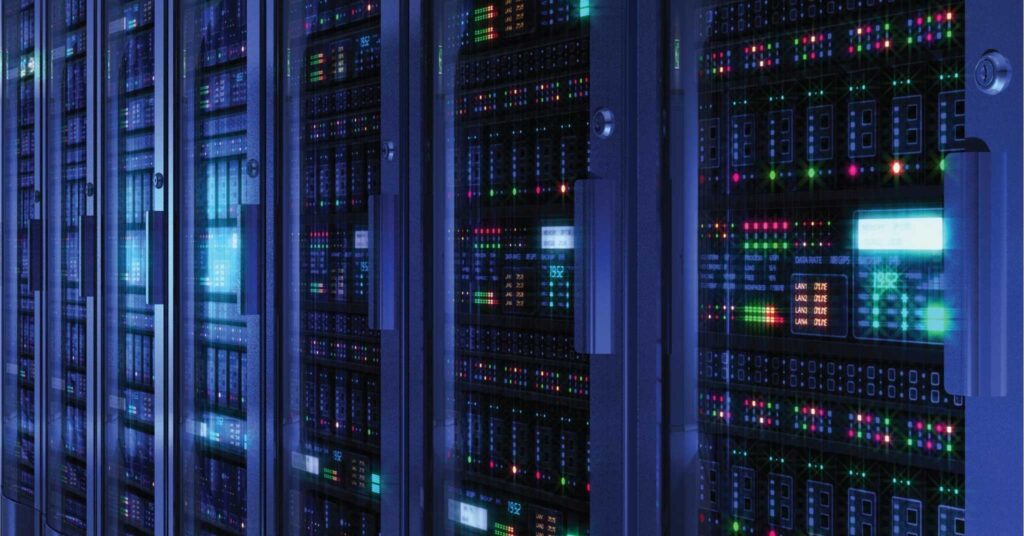
Data centers and critical industrial IT
Even minor power disturbances can be costly. Common issues include harmonics, unbalance, interruptions, and transients. Read more…

Manufacturing and heavy industry
Common patterns include harmonics from drives and rectifiers, voltage sags during motor starting or upstream faults, and flicker. Read more…
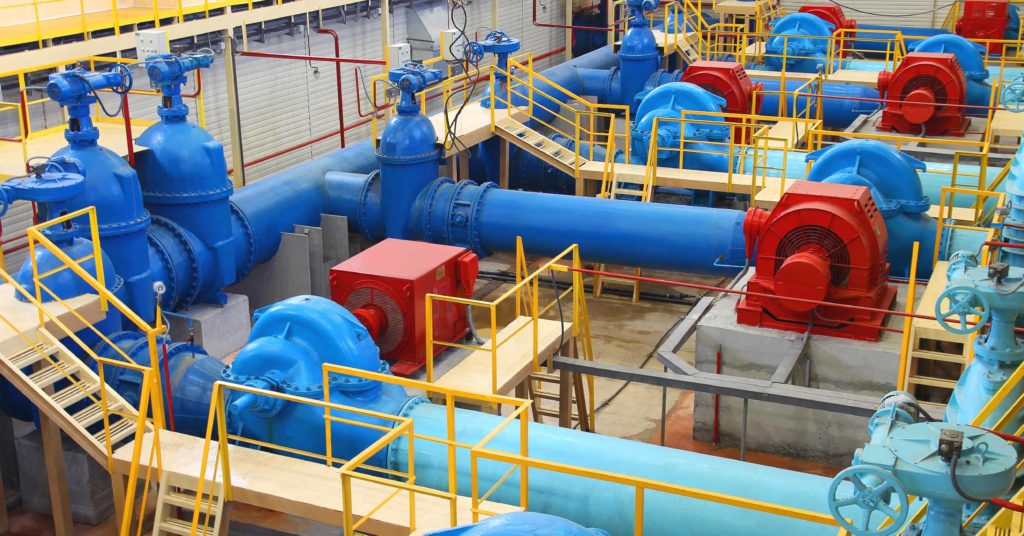
Water and wastewater treatment
Drive-heavy pumping and blower systems can drive harmonics and reactive power demand. Long cable runs and harsh environments can add voltage instability and reliability challenges.
Read more…
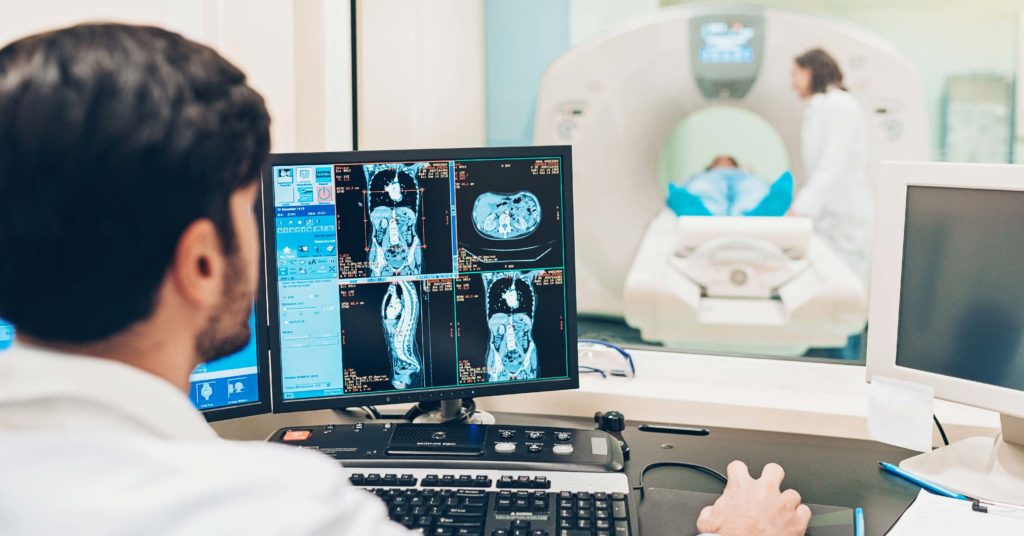
Hospitals and critical facilities
These sites are packed with sensitive loads and have very low tolerance for disturbances. Continuity, protection coordination, and compatibility between UPS and other power electronics are central concerns. Read more…
Power quality improvement: best practices and solutions
Before selecting any mitigation, a power quality measurement is typically the right first step. It helps confirm what the site is actually suffering from (harmonics, unbalance, voltage fluctuations, transients), how often events occur, and whether the source is internal or upstream. With that baseline, you can choose a solution that targets the root cause and verify the improvement afterwards. We at Merus Power provide both the solutions and online sizing tools to support early-stage evaluation and project scoping.
Merus® A2: Active harmonic filtering and load balancing
Merus® A2 is an active harmonic filtering solution designed for industrial environments with non-linear loads. It is used to reduce harmonic distortion and can also support active load balancing, helping improve three-phase symmetry in networks where unbalance is an issue.
Merus® HPQ: Hybrid power quality for combined problems
Merus® HPQ is positioned as a hybrid system to manage harmonics, voltage fluctuations, and reactive power in one coordinated approach. This is useful in facilities where traditional power factor correction exists, but dynamic loads and harmonics still create instability or stress in the network.
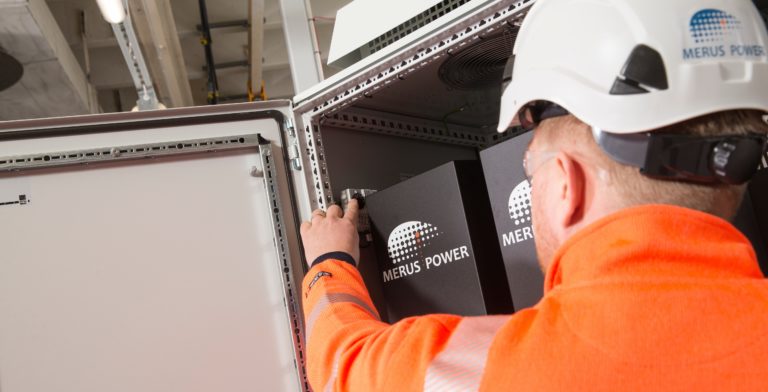
Merus® A2 – Active Harmonic Filter
Merus® A2 is a scalable, versatile, and durable active harmonic filtering solution designed and manufactured in Finland using innovative Merus® technology.
Merus® HPQ – Hybrid Power Quality
Merus® HPQ is an all-in-one power quality system for combined active harmonic mitigation and power factor correction.
Harmonic Calculator: estimate needs before a full project
Wondering whether harmonics may be affecting your electrical system? Our Merus® Harmonic Calculator provides a quick estimate of current harmonic distortion (THDi) based on your system information. It is an easy way to evaluate whether harmonic levels may require further investigation or mitigation.
Use the calculator as a starting point before conducting detailed power quality measurements or selecting the most suitable harmonic mitigation solution.
Why Merus Power?
Merus Power focuses on power quality solutions, including Merus® A2-Active Harmonic Filter and Merus® HPQ-Hybrid Power Quality Compensator, designed for industrial environments where harmonics, voltage fluctuations, and reactive power requirements coexist.
Two clear reasons this approach is relevant in manufacturing:
- Real-time response for modern, dynamic loads: Active mitigation reacts to changes as they happen, which matters when disturbances are driven by process dynamics, not steady-state conditions.
- A portfolio that covers single-issue and combined-issue plants: Merus® A2 targets harmonic mitigation and load balancing, while Merus® HPQ is positioned as a hybrid system to manage harmonics, voltage fluctuations, and reactive power.
Good power quality is no longer just a technical detail; it is a direct driver of uptime, product quality, and equipment lifetime. Merus Power helps industrial sites tackle harmonics, unbalance, and broader power quality challenges with our smart solutions. If you want a quick estimate, our harmonic and unbalance calculators are available online. If you would like to discuss your situation, please reach out to us.
Anything on your mind? Let’s talk!

Riku Kalliomaa
Head of Sales, Power Quality Products
Global

Viktoria Mansikkala
Sales Manager, Active Harmonic Filter
Partners, Europe

Pauli Halonen
Sales Manager, Active Harmonic Filter
Finland

Juhani Jaatinen
Senior Sales Manager,
DACH, Benelux, France, APAC

Venkatesh Ramachandra
Regional Sales Manager,
Middle East