- Typically original SVC suppliers do not have old electronics in stock or personnel to support 20 – 30-year-old technology in more complex trouble shooting cases
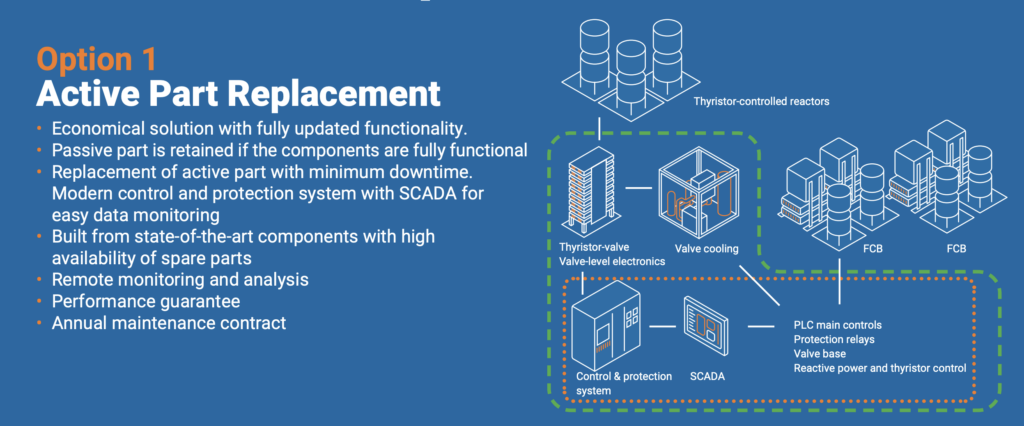
- Based on our experience, in most cases the best way is to modernise only the active components
- Reduces CAPEX cost
- Faster delivery time
- Installation and commissioning time 2-3 weeks can be done during plant’s annual maintenance break
- In case plant capacity is increased or grid code has become stricter Merus can offer
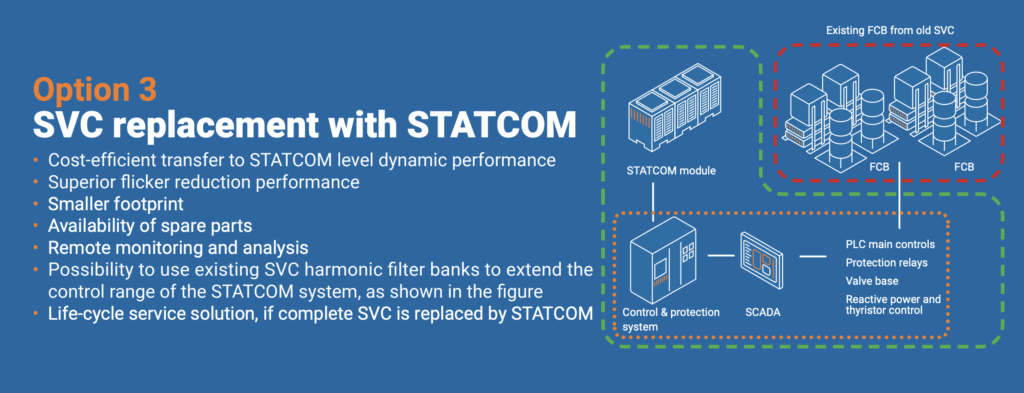
- Complete new SVC or conversion to STATCOM
- Help customer study new EAF operation points with Merus technology
- On top of economical advantages, modernizing increases sustainability
- In a typical case the passive parts have still lifetime left when the active parts become obsolete
- Replacing only the active parts allows that the lifetime of the passive parts is fully utilised, increasing the sustainability

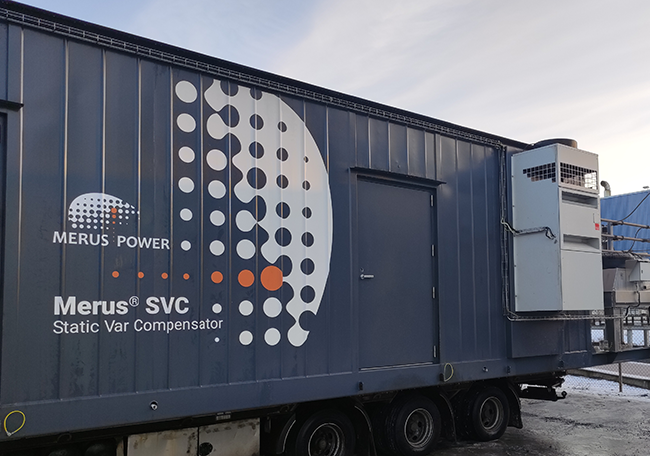
Merus® SVC
Static Var Compensator
A cost-effective Static Var Compensator solution with fast reactive power compensation for higher-power-class applications.
SVC importance to heavy industry
- Increased production 7-10%
- Reduced energy consumption 7%
- Reduced CO2 generation per ton
- Reduced electrode consumption 0.15- 0.18 kg/ton
- Production improvements
- Prevention of nuisance tripping
- Grid Code Compliance

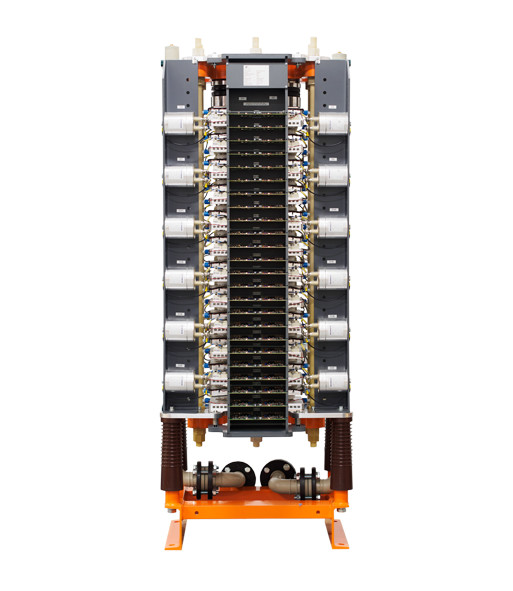
Modular design with efficiency
proven by control algorithms
At the heart of our Merus® SVC sits a Merus® Thyristor Valve, used in Thyristor controlled Reactors (TCR) for dynamic control of reactive power. Merus® Thyristor Valve was developed to meet the highest requirements for compactness, performance, and reliability in harsh industrial environments. Thanks to the modern composite construction, the valve is compact enough to be installed even into a standard sea freight container, enabling relocatable static var compensator designs.
Merus® SVC systems can be built for all medium voltage levels starting from 3.3 kV all the way up to 38.5 kV. Power output ranges from 4 MVAr to 250 MVAr. The devices can be connected in parallel for a higher total output and added redundancy. Each Merus® SVC system is tailor-made to fit the network fault level and load parameters.
Open- and closed-loop control strategies permit effective flicker mitigation, reactive power control, power factor control and harmonic mitigation. The thyristor valves in Merus® SVC are equipped with Merus® Control & Protection System that utilizes proven control algorithms.
Modernizing SVCs
Lifetime expansion for aging SVC
Static Var Compensators built with thyristor-based power electronics technology have been in use since the 1970s. They continue being installed in demanding applications, such as Electric Arc Furnaces, mining plants, and transmission and distribution networks. High reliability and availability are required from these installations, as they play an extremely vital role in eliminating flicker, reducing voltage variation and increasing productivity in industrial facilities, and extending transmission and distribution capacity in the electrical networks of utilities.
Keeping an aging SVC up and running can be a challenge for several reasons, including the shorter lifetime of active components versus passive components. The manufacturer’s specific electronic control components may have become obsolete, and the electrical characteristics of new spare thyristors must be closely matched with the other thyristors in the valves. Thus, the reliable long-term operation of an aging SVC system can be compromised leading to operational or safety risks.
We are experts at helping our customers migrate their already existing compensation systems to new technology while fully utilizing their existing CAPEX investment.
Why modernize existing SVC?
Risks of sudden SVC failure
- Typical delivery times for new SVCs due to an unplanned SVC failure are 12-16 months
- In case of a sudden failure, customer is in disadvantageous position towards SVC suppliers
- If an unplanned failure happens, that typically means lengthy discussions with the utility on how operation can continue while the compensator is being repaired
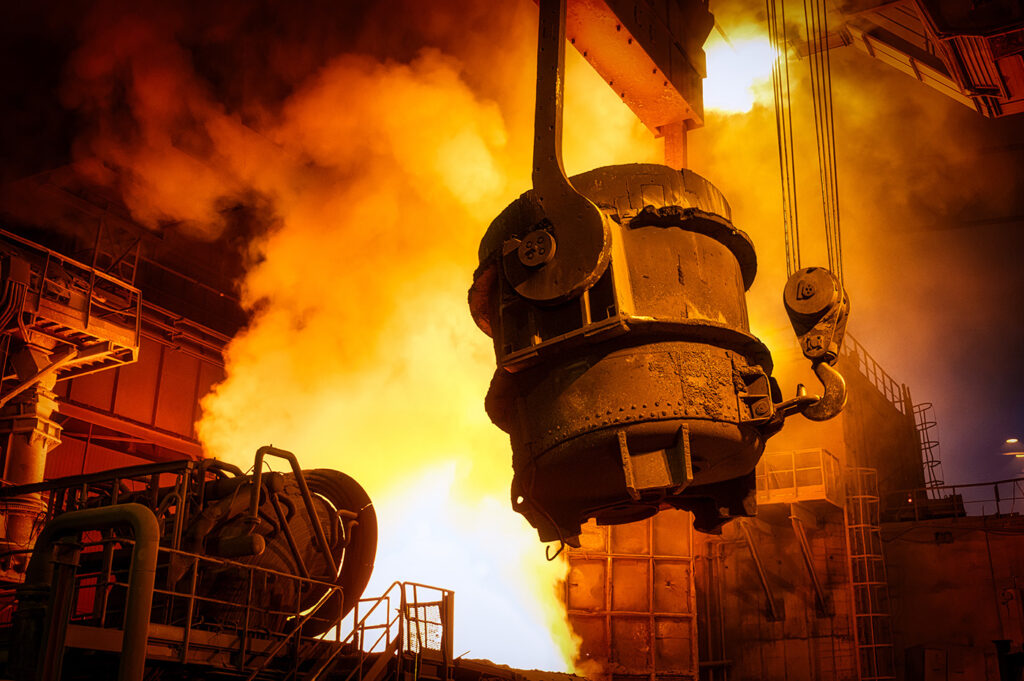
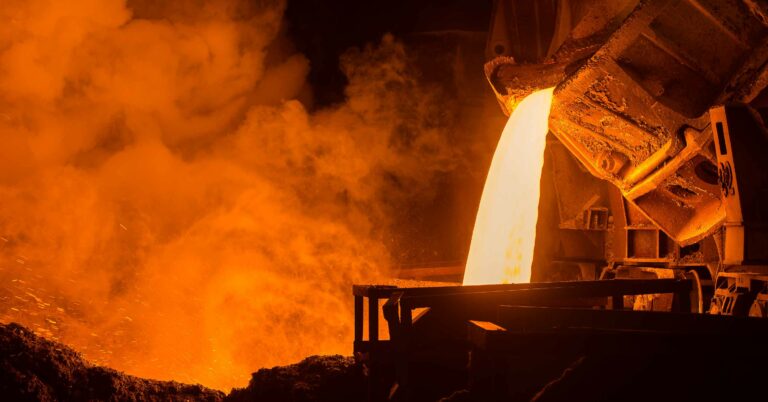
Steel Industry risks
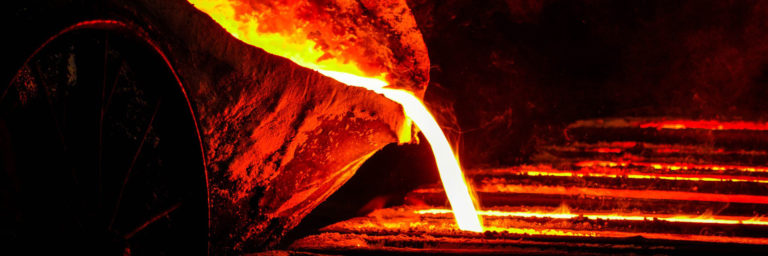
- Sudden loss of the SVC typically leads to a 10-20% production capacity drop
- This will also cause energy consumption per ton to increase typically by 5-7%
- Energy consumption increase means CO2 emissions (depends on fuel mix)
- Electrode and interior coating consumption increase as well (typically 0.15-0.18kg/ton)
- Less efficient operation and problems caused by harmonics will typically increase OPEX costs immediately by 5-10%
- Utility companies could mandate even higher production
decrease due to adverse effects to their grid - Reactive power penalties increase
Rolling Mills risks
- Sudden loss of the SVC will lead to more severe voltage
fluctuations at the factory electric system - This can lead to nuisance tripping causing production
stoppages - Maximum torque of DOL motors will be reduced meaning
negative effects to rolling mill operation - The plant may use its grid code compliance meaning penalties
from the utility - Reactive power penalties increase

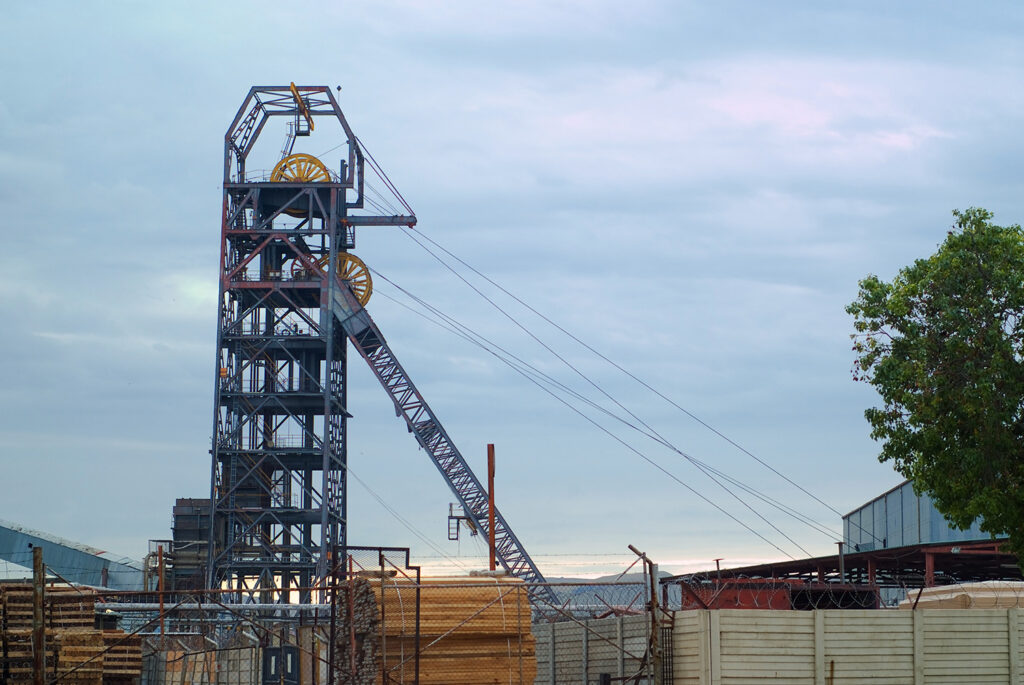
Mining Industry risks
- If the mine has diesel generators or gas turbines their
fuel consumption will increase if the SVC is not in
operation - This will also increase CO2 emissions
- The maximum torque of DOL motors will decrease
which affects adversely the mining process
Risks of Other Heavy Industrial Loads
- Other heavy industrial loads get similar benefits from a well-working SVC.

Buying from us
At Merus Power, we guide you effortlessly through complexities, ensuring you find the ideal modernization solution that meets your needs. No prior knowledge needed—our expertise is at your service.
Step 1 – Assessment and analyses
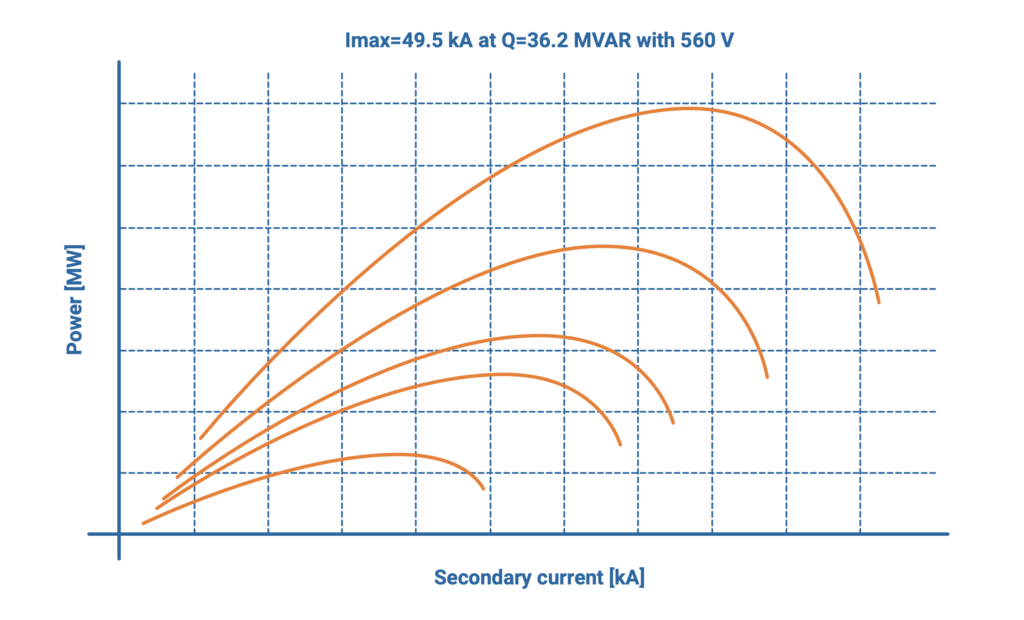
The process begins with an on-site inspection of the existing SVC, followed by a detailed analysis of the customer’s objectives, including system operation, performance needs, and future plans. As experts in designing complex compensator systems, we offer insights on how these enhance productivity, such as in EAFs, positioning us uniquely to create solutions with significant ROI.
Step 2 – Project specifications and budgetary estimates
Our specialists will choose the appropriate technology by comparing various options to match the customer’s performance expectations and budget. Key considerations include process improvements, lifetime and reliability requirements, and technical constraints that affect system design.
Step 3 – Design and system configuration
After developing preliminary designs and budget estimates, and the customer is ready to move forward with the investment, we finalize the investment case and main design specifications. The result is a custom-built business model that exemplifies true collaboration, developed in partnership with the customer.
Step 4 – Implementation and commissioning
Once a project begins, our design team collaborates with the customer’s engineers to integrate our modernization solutions smoothly with existing systems. Procurement and manufacturing are then efficiently executed to ensure timely readiness. The final stages involve installation and commissioning at the customer’s facility, coordinated with the plant’s regular annual maintenance to minimize disruptions.

Step 5 – Training and transitioning to Merus® O&M Service
We prioritize effective training and thorough maintenance to enhance the longevity and efficiency of our systems. Our comprehensive training program equips our customers’ teams with the skills needed for daily operations and system maintenance. Additionally, we offer a tailored multi-year operation and maintenance agreement to ensure long-term reliability and optimal performance of the modernized SVC system. Our proactive maintenance includes our cloud-based IoT service, Merus® MERUSCOPE™, to ensure consistent, high-quality performance.
Different SVC options

Design data
Connection point (PoC)
- Medium or high-voltage
Installation environment
- Indoor and outdoor
- -40° to +50°
Merus® Control & Protection System
- Manufactured at Merus factory in Finland
- All control software developed in-house by Merus Power
Thyristor valve
- Manufactured at Merus factory in Finland
- Nominal voltage up to 38.5kV
- Nominal current up to 2500A
- Nominal 3-phase power up to 250Mvar
- Efficiency ~ 99.8 %
- Water cooling, max flow 40 m2 / h
- Two (2) redundant disc levels (more upon request)
- Simple disk replacement
- Small footprint
Merus® STATCOM module
- 2MVAr per unit
- Response time under 1 millisecond
- Independent control
- Independent liquid cooling system
Compliance
- Electrical safety: EN 50178
- Semiconductor converters: IEC 60146-2
- Electromagnetic compatibility:
EN/IEC 61000-6-2 (immunity) and
EN/IEC 61000-6-4 (emissions) - IEC 62351: Power systems management and
associated information exchange –
Data and communications security
Warranty
- Standard 1 year, option up to 10 years
- Optional availability guarantee
Interfacing
- IEC104, Modbus
Merus® MERUSCOPE™
- Real-time monitoring
- Predictive maintenance
- Remote control
Do you have any questions?
Please contact one of our salespeople for questions and inquiries.


Lasse Hietikko
Sales Manager, Power Quality,
Hydrogen & Renewables


Juhani Jaatinen
Senior Sales Manager,
DACH, Benelux, France, APAC


Venkatesh Ramachandra
Regional Sales Manager,
Middle East