Merus® STATCOM – Static Synchronous Compensator
Merus® STATCOM is a modular and modern Static Synchronous Compensator for demanding applications and heavy industrial loads.
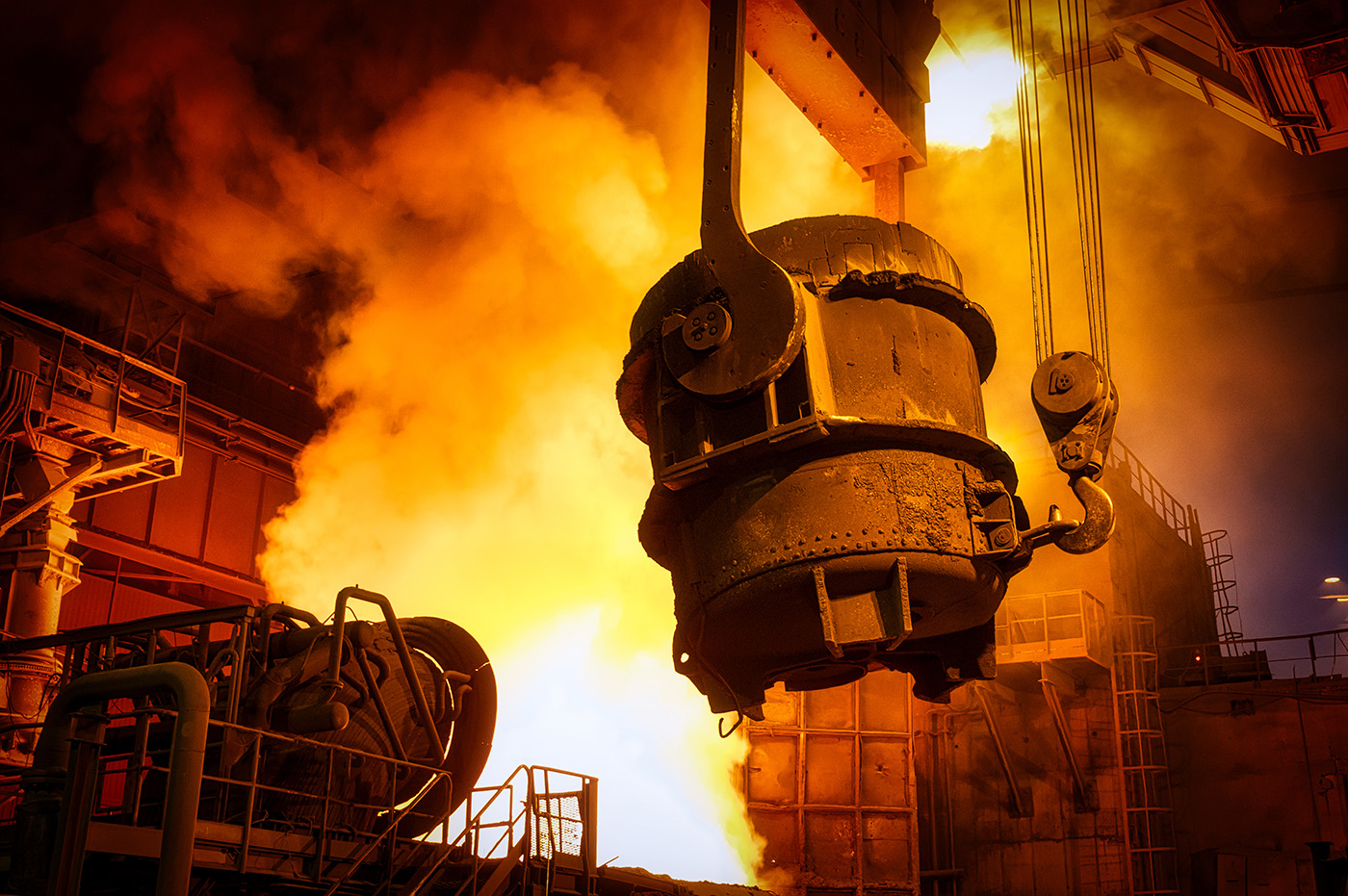
In collaboration with local partner Bulla y Salcedo ingeniería, Merus Power supplied a 0–15 MVAr STATCOM to a steel plant in Colombia. The plant operates a 45 MVA Electric Arc Furnace (EAF) and a 12 MVA Ladle Furnace (LF) connected to a 26.4 kV medium-voltage bus. This is a summary – use the link on the panel to download full article.
The STATCOM provides dynamic reactive power compensation to help the plant meet Colombian grid code power factor requirements while supporting stable furnace operation. By correcting the power factor and stabilizing the medium-voltage bus, the solution also reduces voltage variations caused by the rapidly changing EAF load.
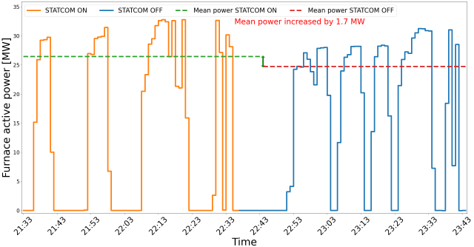
Figure 1 Illustrates furnace average active powers (1 min) with and without the Merus® STATCOM solution.
Electric arc furnaces consume large amounts of reactive power during operation. From a process standpoint, operating the furnace with a low power factor helps maintain a stable arc between the electrodes and the scrap.
However, the grid operator sets limits for reactive power exchange. Under CREG Resolution 015 of 2018, limits are established for reactive power between grid operators and end-use consumers. The regulation includes an inductive reactive energy threshold corresponding to a power factor limit of 0.90 and penalizes capacitive reactive energy injected into the grid.
This means that steel plant operators need reactive power compensation to comply with grid requirements without compromising the melting process. The rapidly fluctuating reactive power demand of an EAF can also cause other power quality issues, including voltage variations and flicker.
Steel manufacturing – Electric Arc Furnace (EAF) and Ladle Furnace (LF)
Colombia
Reactive power compensation, low power factor, voltage fluctuations and flicker caused by rapidly changing electric arc furnace loads.
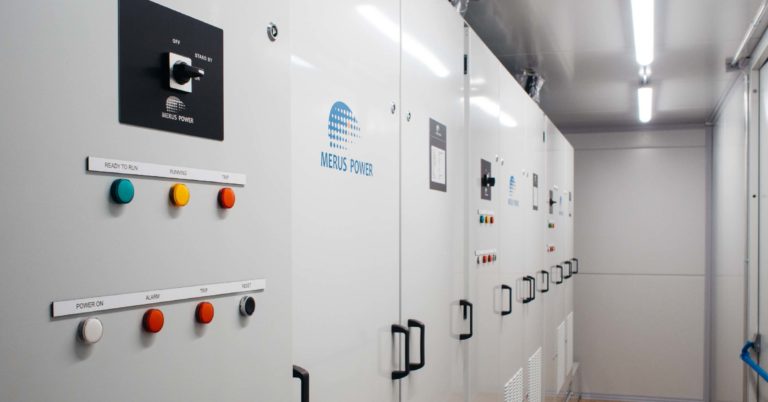
Merus® STATCOM is a modular and modern Static Synchronous Compensator for demanding applications and heavy industrial loads.
Merus Power delivered a compensation system consisting of:
The compensation system was connected to the 26.4 kV medium-voltage network.The four M2000 STATCOM modules provide continuously controlled reactive power within a range of approximately ±7.5 MVAr, depending on the needs of the electrical system.
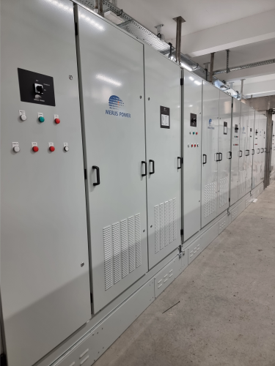
Figure 2: Merus® M2000 STATCOM modules.
The filter capacitor bank provides static capacitive reactive power and is tuned to the 2nd harmonic to filter harmonics caused by the furnaces. By integrating the capacitor bank with the dynamic M2000 modules, the complete system provides a total capacitive reactive power output ranging from 0 to 15 MVAr.
Merus Power also carried out equipment testing and system studies to ensure that the solution would reach the required power quality parameters.
The Merus® M2000 STATCOM modules operate as controlled current sources, providing the required reactive power and harmonic currents in real time. The STATCOM control system uses two complementary control methods.
Open-loop control is based on reactive power measurements from the EAF and LF loads. This allows the STATCOM to respond quickly to rapid reactive power variations caused by the furnaces.
Closed-loop control is based on reactive power measurements at the PCC and is used to maintain the pre-set power factor at the connection point.
The integrated control and protection system also includes Merus® SCADA, providing communication between the operator and the STATCOM system.
Power quality measurements were carried out after commissioning using a Dranetz HDPQ power quality analyzer at the medium-voltage bus and the PCC. The results demonstrate how the Merus® STATCOM responds to the rapidly changing reactive power demand of the electric arc furnace and reduces its impact on the electrical network.
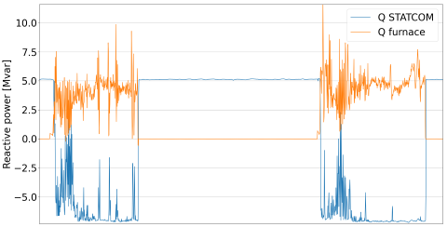
Figure 3: Furnace and STATCOM module reactive powers during furnace operation. The reactive power of the furnace (orange) fluctuates rapidly and unpredictably, but Merus® STATCOM (blue) can react almost instantly and control its’ reactive power output as needed.
The reactive power demand of the furnace changes rapidly during different stages of the melting process. When the furnace is operating, the Merus® STATCOM responds almost instantly to these fluctuations and adjusts its reactive power output accordingly. When the furnace is switched off, the M2000 modules compensate mainly for the reactive power of the filter capacitor bank, reducing the reactive power transferred to the grid.
Measurements at the point of common coupling showed that the Merus® STATCOM was able to maintain the power factor above the set limits. This allows the plant to combine the operating requirements of the electric arc furnace with the reactive power requirements of the Colombian grid.
Reactive power variations from the furnaces also cause voltage fluctuations on the 26.4 kV medium-voltage bus.
With the Merus® STATCOM in operation, these voltage variations were reduced significantly. The standard deviation of the line-to-line voltage decreased from 0.74 kV to 0.47 kV when the STATCOM was operating. Reduced voltage variation also supports the steel melting process and helps reduce power quality problems such as flicker.
Electric arc furnaces behave electrically as constant impedances. As a result, changes in bus voltage also affect the active power flowing to the furnace. By reducing voltage variation on the medium-voltage bus, the Merus® STATCOM enables the furnace to operate with a higher average active power. In the measurements presented in the study, the average furnace power was 1.73 MW, or 7%, higher with the Merus® STATCOM in operation compared with the subsequent melt without the STATCOM.
If the energy required to melt the steel remains the same, the higher active power can lead to shorter melting times and increased annual steel production. Alternatively, the furnace can be operated at the same active power as previously while benefiting from reduced current and lower system losses.
The original objective of the project was to address financial penalties related to excess reactive power transmission. Following the installation of the Merus® STATCOM, the plant was able to maintain its power factor within the required limits. At the same time, the fast dynamic response of the STATCOM delivered additional operational benefits.
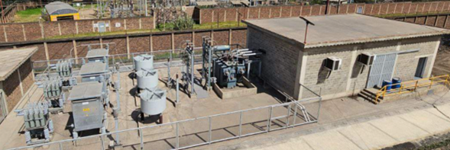
Figure 4: Photo of system site
By compensating rapidly changing reactive power demand, the solution:
The project demonstrates how dynamic reactive power compensation with STATCOM technology can support both grid compliance and the performance of electric arc furnace steelmaking.
Please contact one of our salespeople with questions and inquiries.